

Five major Google products that might not live to see 2030 - stewartfincire
If you follow Killed by Google, it's been a drudging decade. No less than 150 apps and services have met their demise over the past 10 age, with some popular ones still extremely fresh in our memories. Just this year we waved goodbye to Inbox, Google+, and Allo. While technically tranquillise open, Hangouts will officially close its digital doors in June.
The 2020s might bring even greater carnage. With many of Google's ancillary apps and services already in the burying ground, it stands to reason that whatsoever big-key out products will get the ax over the close 10 eld, as the landscape shifts away from traditional devices and new trends begin to emerge. Here are quint major Google products that might non cost around this time next 10.
Android Boob tube
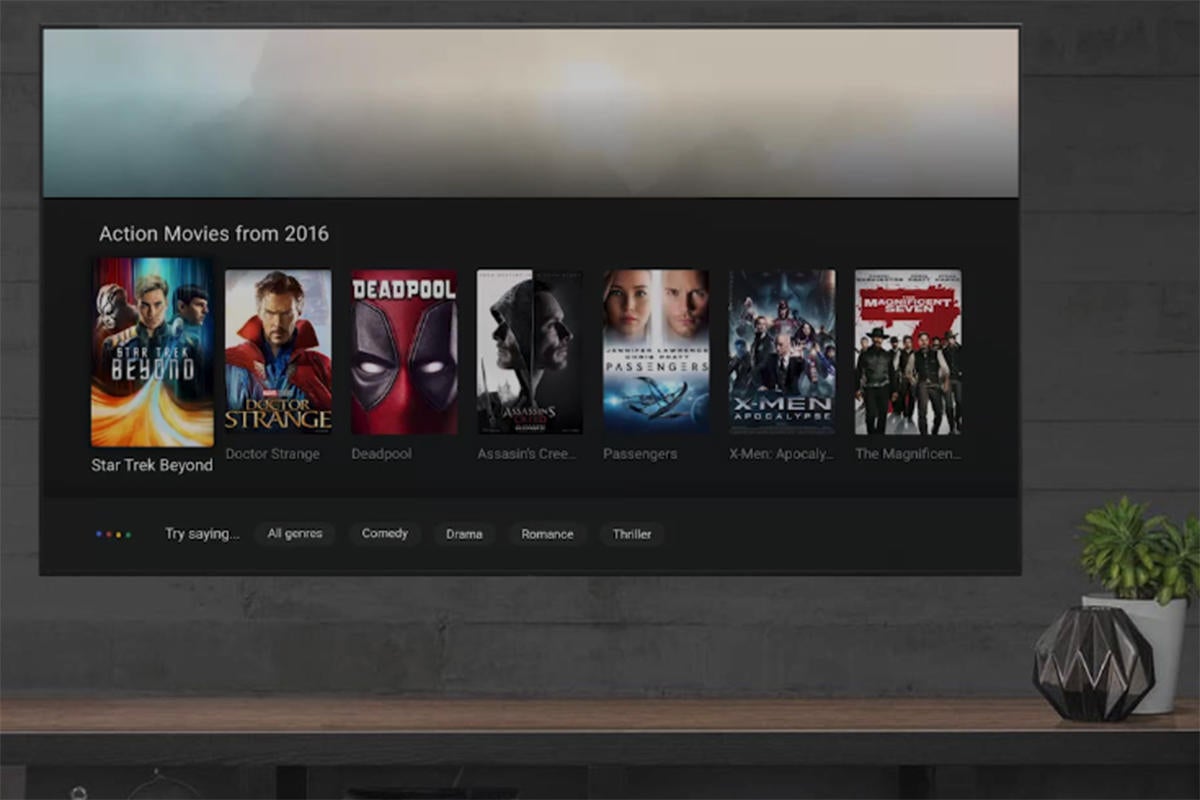
We nearly waved goodbye to Android Television receiver this decennary. After years of stagnation and the last of the Nexus Player, Android TV finished the decennary along a pinched note, with an Android 10 update and a new developer-focused streaming media device. However, that might not be enough to save it. Android TV already lags behind Apple, Amazon, and Roku in the living room. There's none reason to trust that gap is passing to close-set by the end of 2029.
 Google
 Beware you, I don't recall Google is going to glucinium giving up on its TV ambitions—I just preceptor't think the future is nether the Humanoid umbrella. Rather, I think Humanoid TV will undergo a rebranding at some point this year as either a Chromecast operating theatre YouTube device, with a smarter interface and deeper Adjunct integration. Chromecast already does most of what Android TV does, thus it wouldn't take much to combine the two platforms into a unmated, low-cost device that firmly positions Google as an entertainment leader.
Wear OS
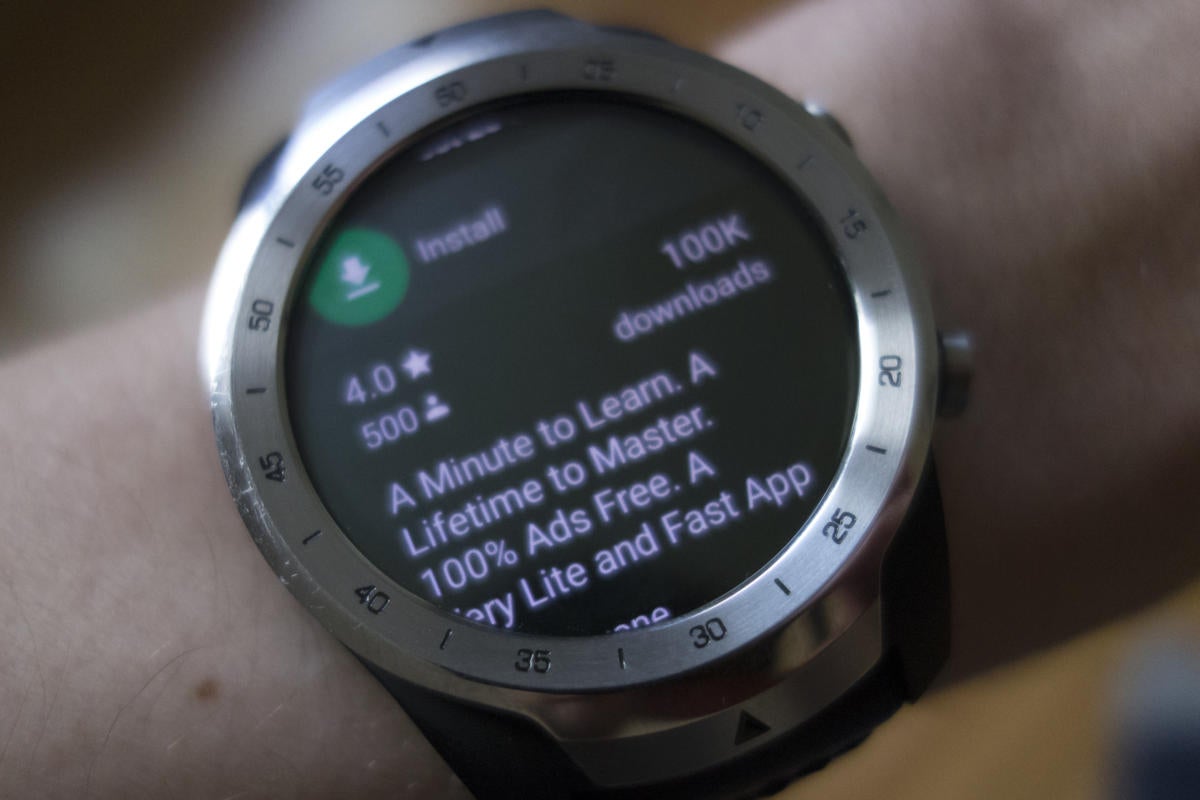
Google might have technically gotten to the wrist before Malus pumila, but Hold out OS is still trying to figure unsuccessful what Wear OS wants to be. In impartial five years, Google's wrist-eightpenny platform has undergone a name switch, a major redesign, and an injection of Google Low-level, all to very micro avail.
 Michael Herb Simon/IDG
 But Google is hardly giving in the lead happening building a wearable OS. I just don't think Habiliment OS is going to carry the drape. Now that Google is buying Fitbit, it's extremely likely that a Made by Google wearable device will be making an entry within the next year or so. I'd be very surprised if it didn't ply a inexperient Osmium that combines the best parts of Wear OS and Fitbit OS and finally delivers what Google promised with Android Wear all those years past.
Google Voice
It'll live a sad day when Google decides to pull the plug along Voice, but it's basically inevitable at this point. With a web interface and RCS, Android Messages has gained numerous of the communicating features that were once exclusive to Google Voice, devising Google Voice mostly surplus omit for, you know, the voice part.
 Thinkstock
 Google has other calling app that fits the bank note. Since its introduction in 2015, Project Fi has evolved into a mature MVNO service. With 5G ready to swash up, Google Fi is poised to become a serious player in the wireless populace—especially once it gains a liberate tier. At some point this decade, it seems likely that Google Voice will blend with Google Fi to create the top-grade of both worlds: a great mechanised network if you want to earnings, and a toter-free number if you don't.
Chromium-plate OS
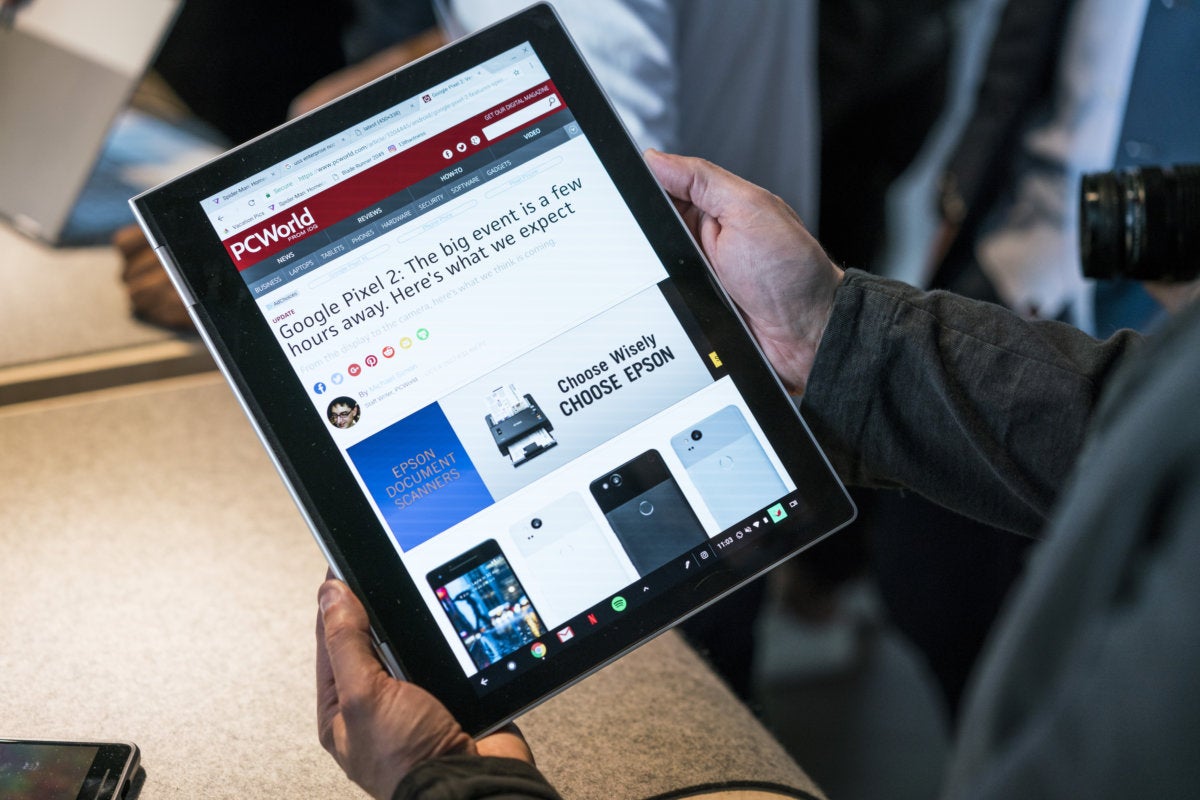
I bon, it's crazy to think out that Google would ever debate dumping its background operating system, but Chromium-plate OS might be arrival the limits of what it force out do. Humanoid apps via the Play Memory boar haven't really panned out, and high-end devices equivalent the Pixelbook don't get to flash their full power with such a lightweight in operation system.
 Adam Patrick Sir James Augustus Henry Murra
 Yet, the 2020s could bring major changes to Chrome Oculus sinister. Google has made no private of its ambitions for its Zircon-settled next-gen OS, code-named Fuschia. We don't know too practically about the unconcealed-source project, but it has the potential to be a game-changer, so more than so that a simple Chrome update wouldn't do. Rather, I think Fuscia will put back Chrome OS with Google OS, a program that's modern, powerful, and adaptable Bone and able to arise and evolve with the Chromebook.
Pixel phones
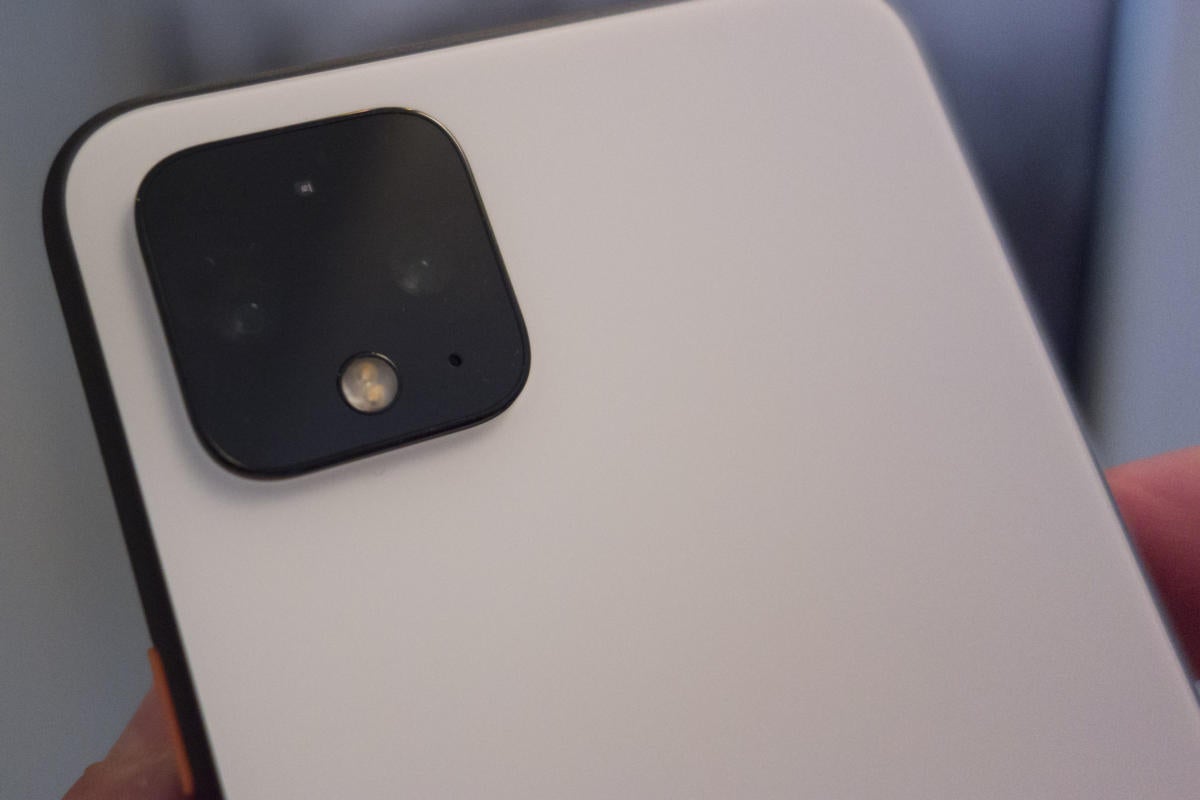
When Google launched the original Picture element telephone in 2016, IT was a pricy functional vessel that got the latest Android updates and features before any other speech sound. Four versions tardive, Google is inactive delivering on that predict—including the launch of a stellar low-cost model—but the Picture element hasn't been the jailbreak impinge on it was supposed to be.
 Michael Simon/IDG
 I don't think the Pixel is in any immediate danger, but I'd be very surprised if Google were still making them when 2029 comes to a close. I put on't necessarily think it'll cost a result of apathy or poor sales, either. Rather I think the 2020s wish convey a new direction, as Google transforms the Pixel from just another hunk of pocketable glass into a true hub for everything Google does, break free from its handset confines.

Source: https://www.pcworld.com/article/398555/five-major-google-products-that-might-not-live-to-see-2030.html
Posted by: stewartfincire.blogspot.com
0 Response to "Five major Google products that might not live to see 2030 - stewartfincire"
Post a Comment